
Wildlife Information for Common New Jersey Species
Helpful information about nuisance wildlife commonly found throughout New Jersey.
Wildlife Information and Animal Behavior Insights
Information regarding common nuisance wildlife and animal control concerns throughout New Jersey.
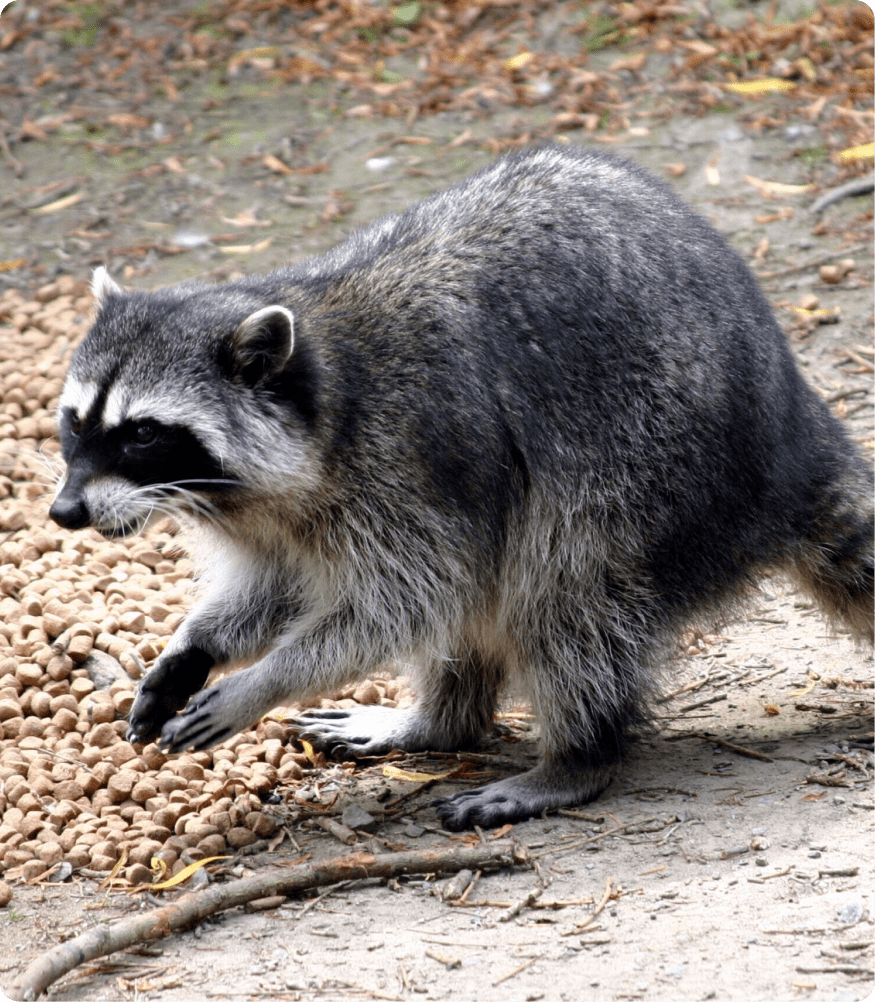
Raccoon
Raccoons are one of the most troublesome animals in our area. They have the ability to adapt to human living conditions and are smart enough to enter trash cans, dumpsters, and homes in search of food.
Adult raccoons can weigh over 10 pounds and may live more than a decade in the wild. They are nocturnal, excellent climbers, and strong enough to enter sheltered areas around homes and buildings. Mother raccoons frequently use attic spaces as safe locations for raising litters.
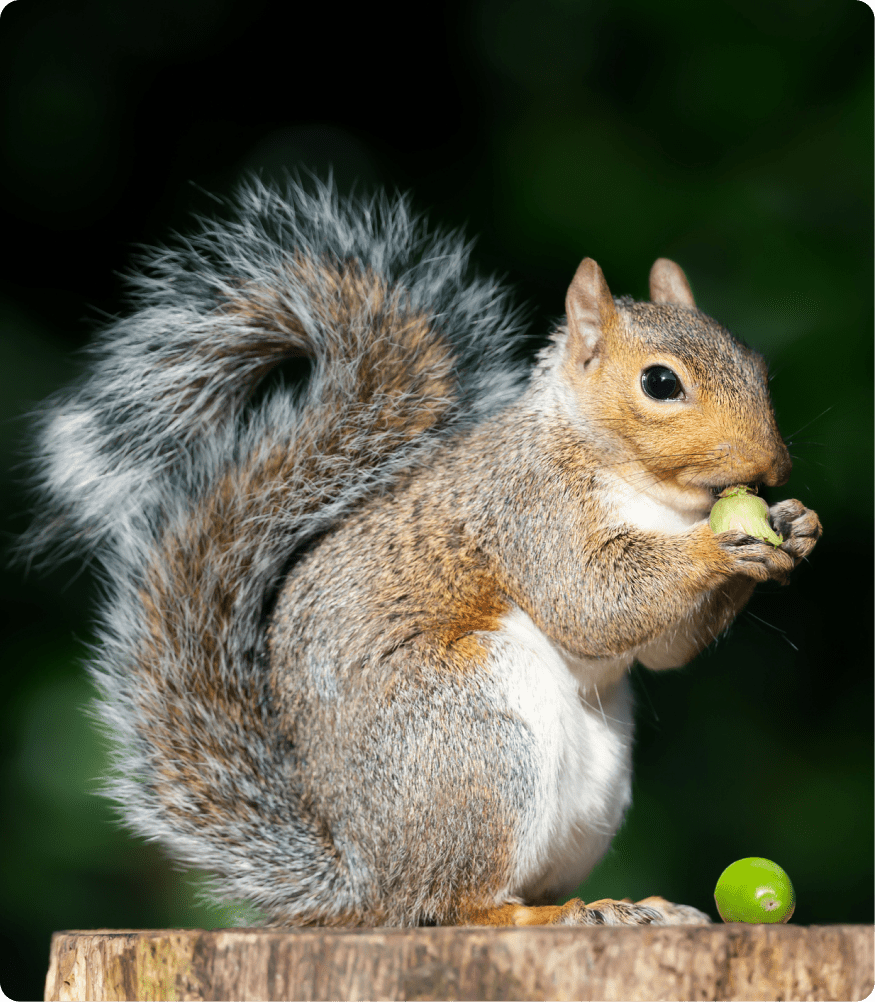
Squirrel
Squirrels present a very common problem for New Jersey residents. Like raccoons, squirrels often enter attic spaces looking for shelter.
Squirrels can cause significant damage by chewing wires, insulation, walls, and ductwork. Scratching noises or running sounds inside attic spaces are common signs of squirrel intrusion.
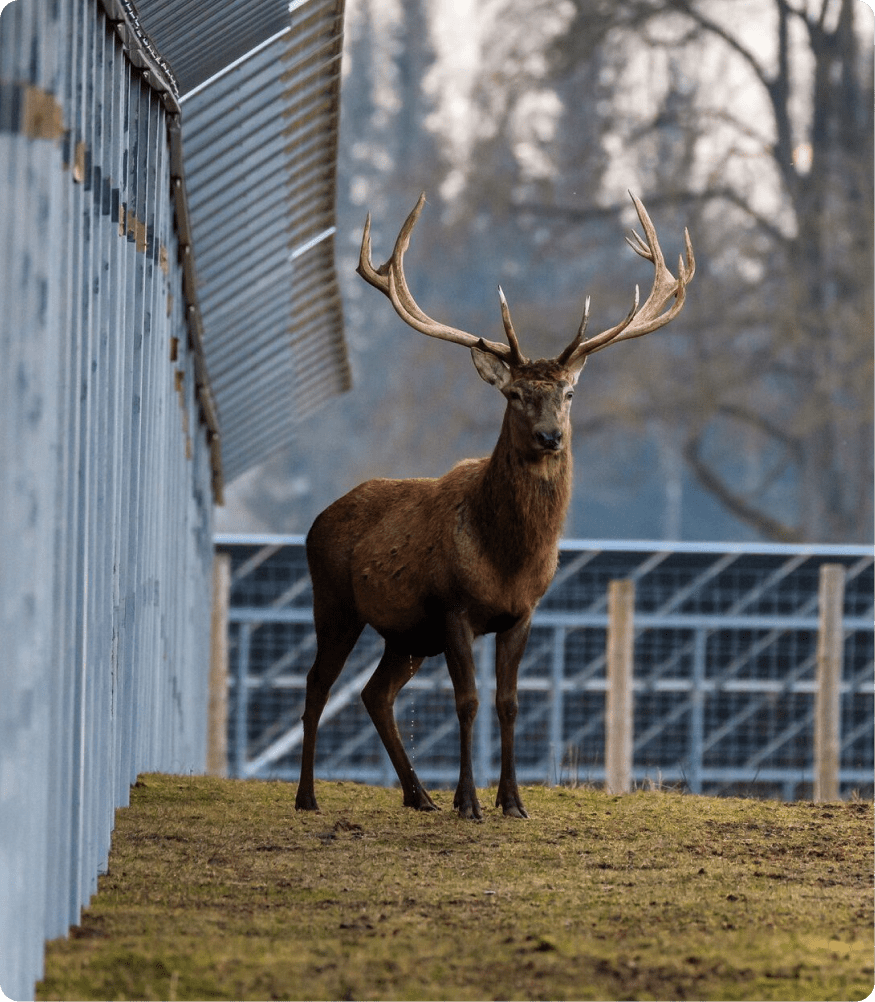
Deer Control
New Jersey has approximately 200,000 deer throughout the state. Deer frequently damage gardens, landscaping, shrubbery, and outdoor property areas.
Additional concerns include the spread of ticks and Lyme disease, along with the high number of deer-related vehicle accidents reported throughout some areas of the state.
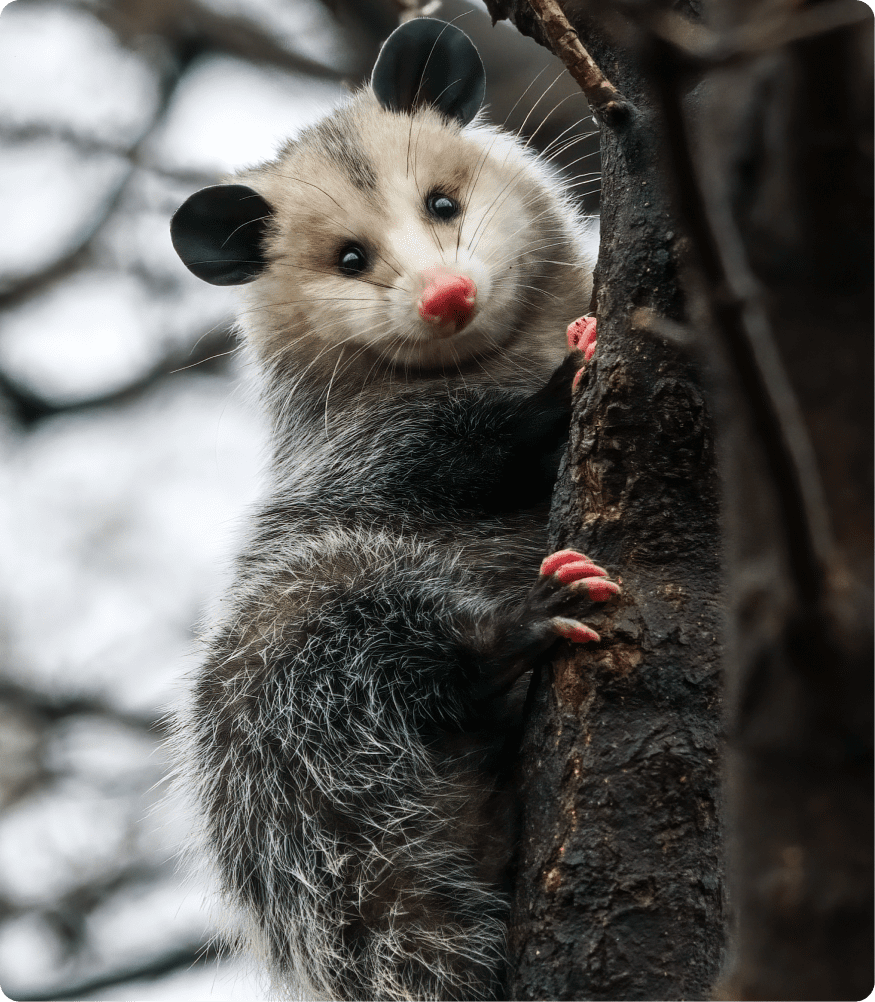
Opossum
Opossums are scavengers that commonly create problems around residential properties. They often live underneath decks, sheds, and attic areas while searching for pet food and trash.
Pets, especially dogs, may also be susceptible to bites from opossums when the animals feel cornered or threatened. Opossums can leave large amounts of droppings in attic spaces and may cause property contamination and damage over time.
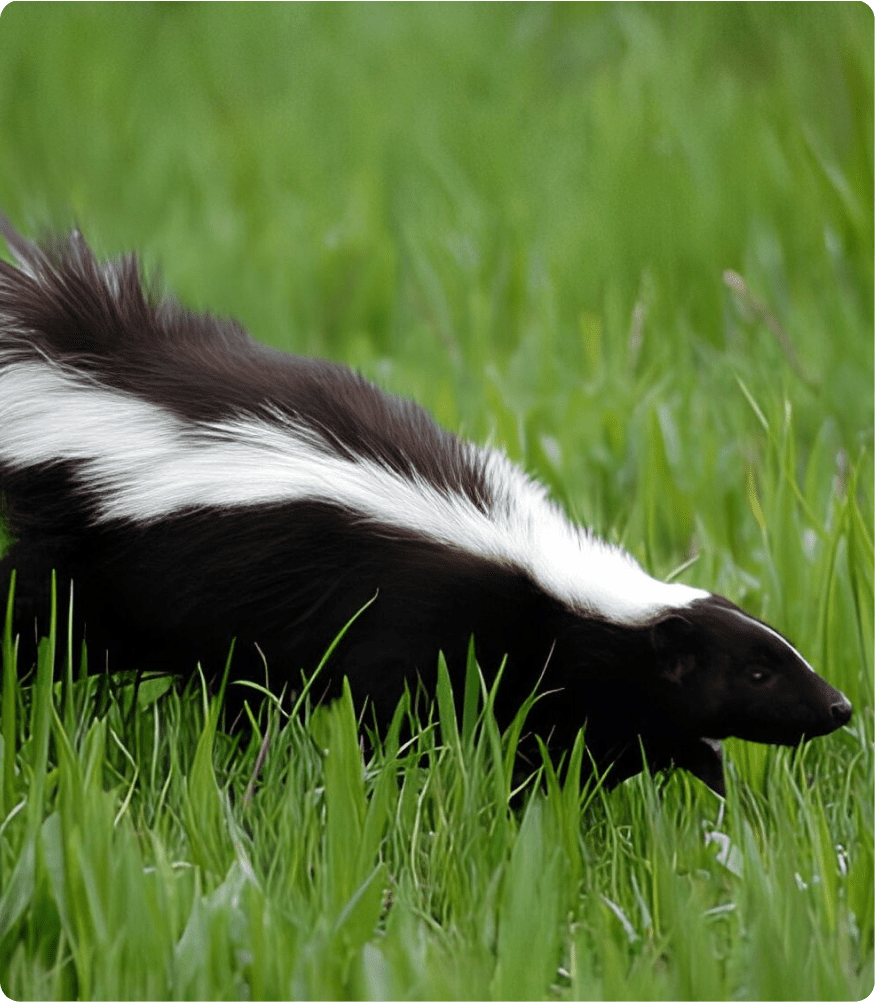
Skunk
In addition to the strong odor associated with skunks, these animals can enter structures and cause damage through extensive digging activity around homes and buildings.
Skunks are also known carriers of multiple diseases and can create additional health and contamination concerns for property owners.
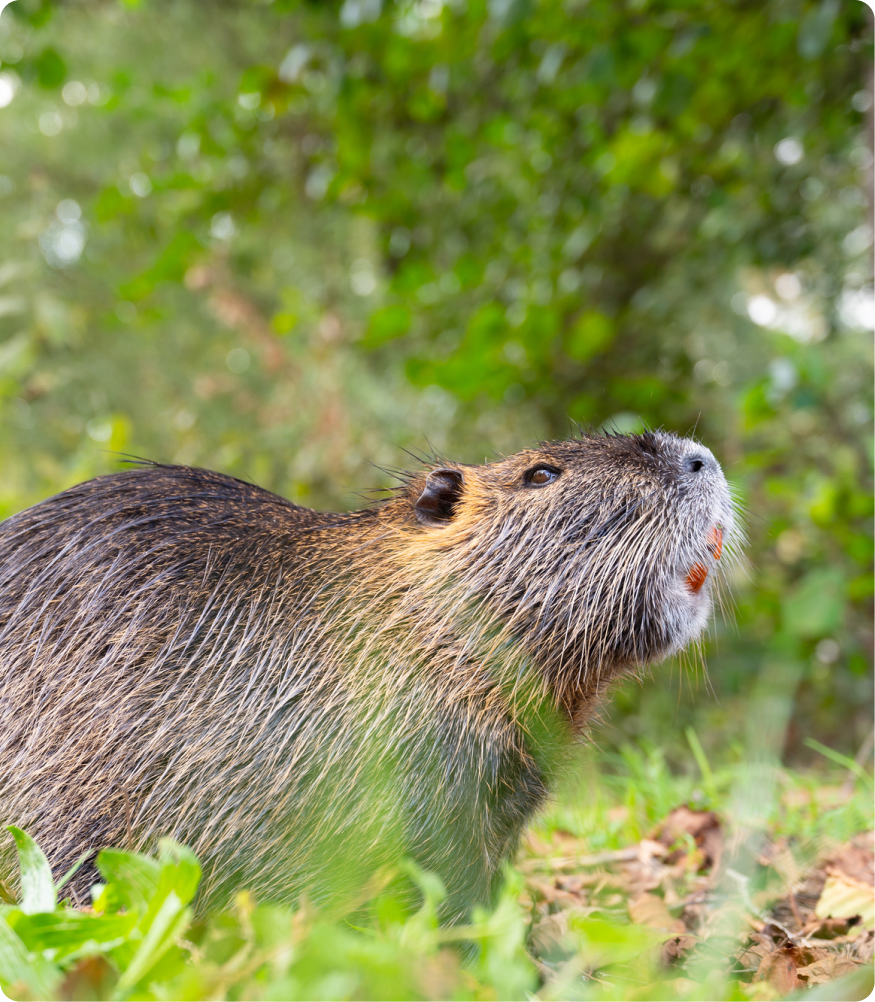
Beaver
Although many people view beavers as harmless wildlife, they can create serious flooding and tree damage problems throughout residential and commercial areas.
Beavers are nocturnal animals that perform most of their activity during evening hours while cutting down trees and transporting materials back to their dens. They also build dams that can cause water pooling and flooding concerns for nearby properties.
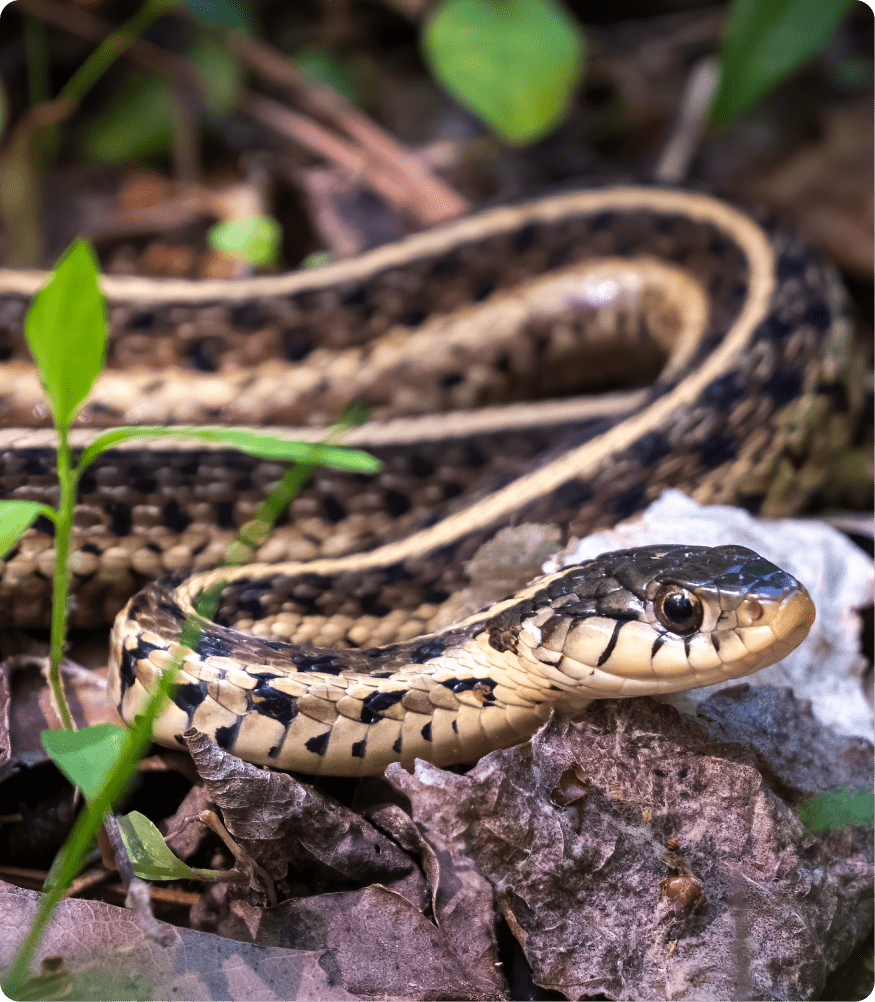
Garter Snake
Garter snakes are among the most common and harmless snakes in New Jersey, easily recognized by their slender bodies and three light‑colored stripes running down the back and sides. They thrive in a wide range of habitats—including yards, woods, fields, and areas near water—and are frequently seen around suburban neighborhoods. Eastern garter snakes typically measure 18–26 inches and feed on frogs, toads, worms, and small fish, helping control local pest populations. New Jersey is home to 23 snake species, most of which are non‑venomous; only the timber rattlesnake and copperhead are venomous. Garter snakes, along with other common species like the eastern ribbon snake and northern water snake, play an important ecological role and generally avoid human interaction.
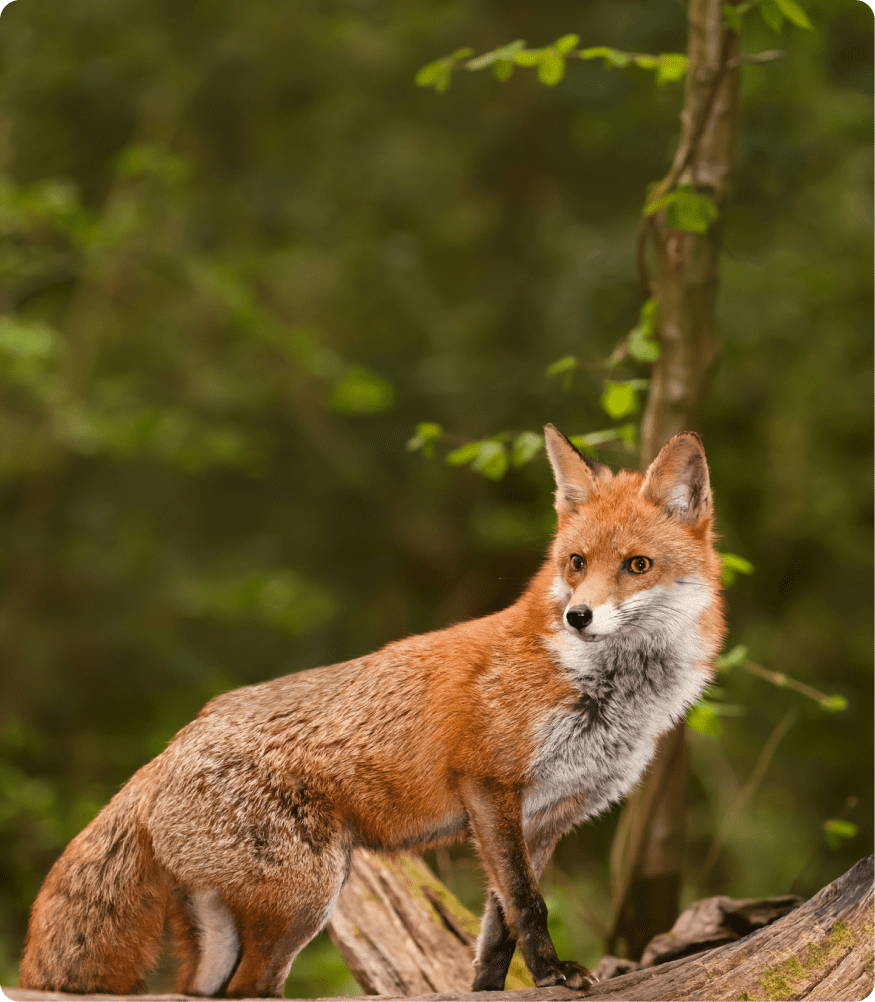
Fox
Foxes are common throughout New Jersey, with both the red fox and gray fox thriving in forests, suburbs, and even urban areas. Red foxes are easily recognized by their reddish coats and white‑tipped tails, while gray foxes—native to the state—are known for their unique ability to climb trees. Highly adaptable and mostly active from dusk to dawn, foxes use dens under sheds, logs, or old burrows and feed on rodents, insects, fruits, and human‑related food sources. Despite their sly reputation, they generally avoid people and play an important role in controlling small‑mammal populations.
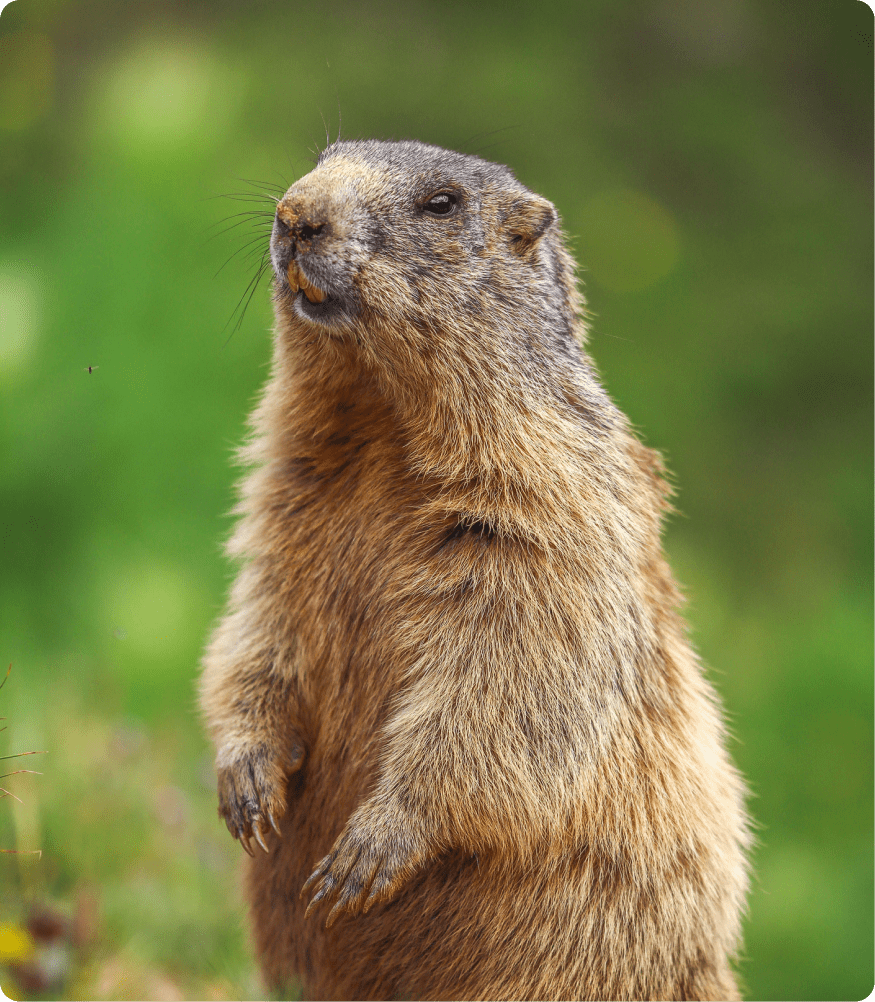
Groundhogs
Groundhogs—also known as woodchucks—are common throughout New Jersey and thrive in open fields, forest edges, and suburban neighborhoods. These stocky, mostly herbivorous rodents spend their days feeding on grasses, clover, garden plants, and other vegetation, and they are well‑known for digging extensive burrow systems used for shelter, raising young, and hibernation. Groundhogs are true hibernators, entering a deep winter torpor and emerging in early spring. Although they may cause issues around sheds or foundations due to their burrowing, they play an ecological role by aerating soil and providing habitat for other wildlife.